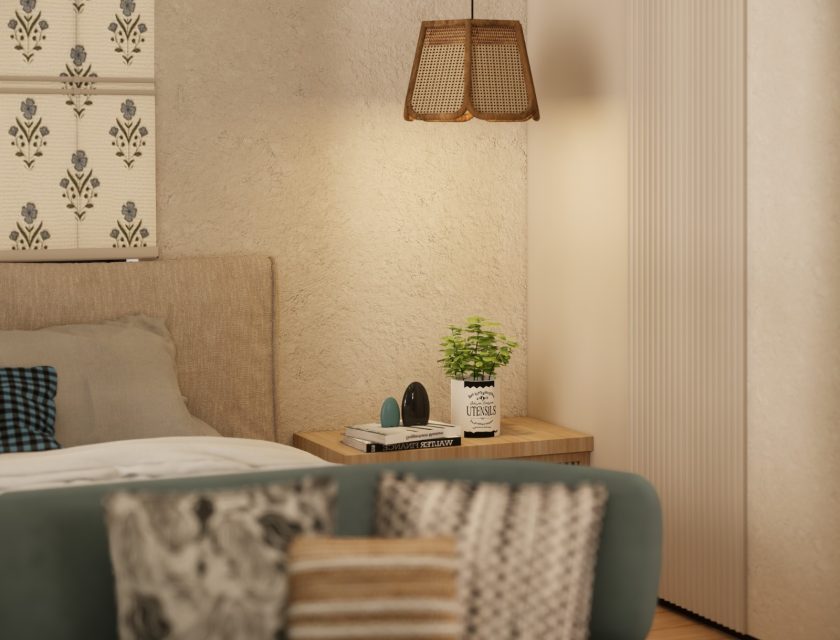
Good design is not just about how a space looks on day one. It is about how it holds up over time.
Materials play a quiet but important role in this. The right choices do not just look good, they continue to feel right even years later. They develop character, handle daily use, and remain relevant beyond trends.
Think Beyond the First Impression
It is easy to choose materials based on how they look in a sample or showroom. But real spaces are lived in.
Floors are walked on. Surfaces are used every day. Light changes how textures appear over time. A material that looks perfect initially may not always age the same way.
Choosing well means thinking ahead. How will it wear? How will it feel after months or years of use?
Durability Matters, But So Does Balance
Durable materials are important, especially for high-use areas. But durability alone is not enough.
A good material should balance strength with comfort. It should feel right in the space, not overly heavy or overly delicate. The goal is to find finishes that can handle use without losing their character.
Natural Materials Tend to Evolve Better
Materials like wood, stone, and certain metals tend to age more gracefully. Instead of looking worn out, they develop subtle variations over time.
These changes add depth and personality to a space. Slight imperfections, soft textures, and natural finishes often feel more authentic than surfaces that try to remain untouched.
Avoid Trends That Fade Quickly
Highly stylised finishes can look appealing in the moment but may not hold their relevance for long.
Timeless materials are usually simple. Neutral tones, balanced textures, and understated finishes tend to stay relevant across changing preferences.
This does not mean the space should feel plain. It means the base should be strong enough to evolve with time.
Maintenance Is Part of the Decision
A material is only as good as its ability to be maintained.
Some finishes require regular care to retain their look. Others are more forgiving. Understanding this early helps avoid frustration later.
The right choice depends on how much maintenance you are willing to manage in your daily routine.
Where It All Comes Together
A well-designed space is built on materials that support both aesthetics and everyday use.
When durability, function, and visual balance come together, the result is a space that continues to feel relevant, comfortable, and complete over time.
Materials do not just define how a space looks.
They define how it lives.